
Epoxy Flooring Cost in Tampa: What Affects Your Quote?
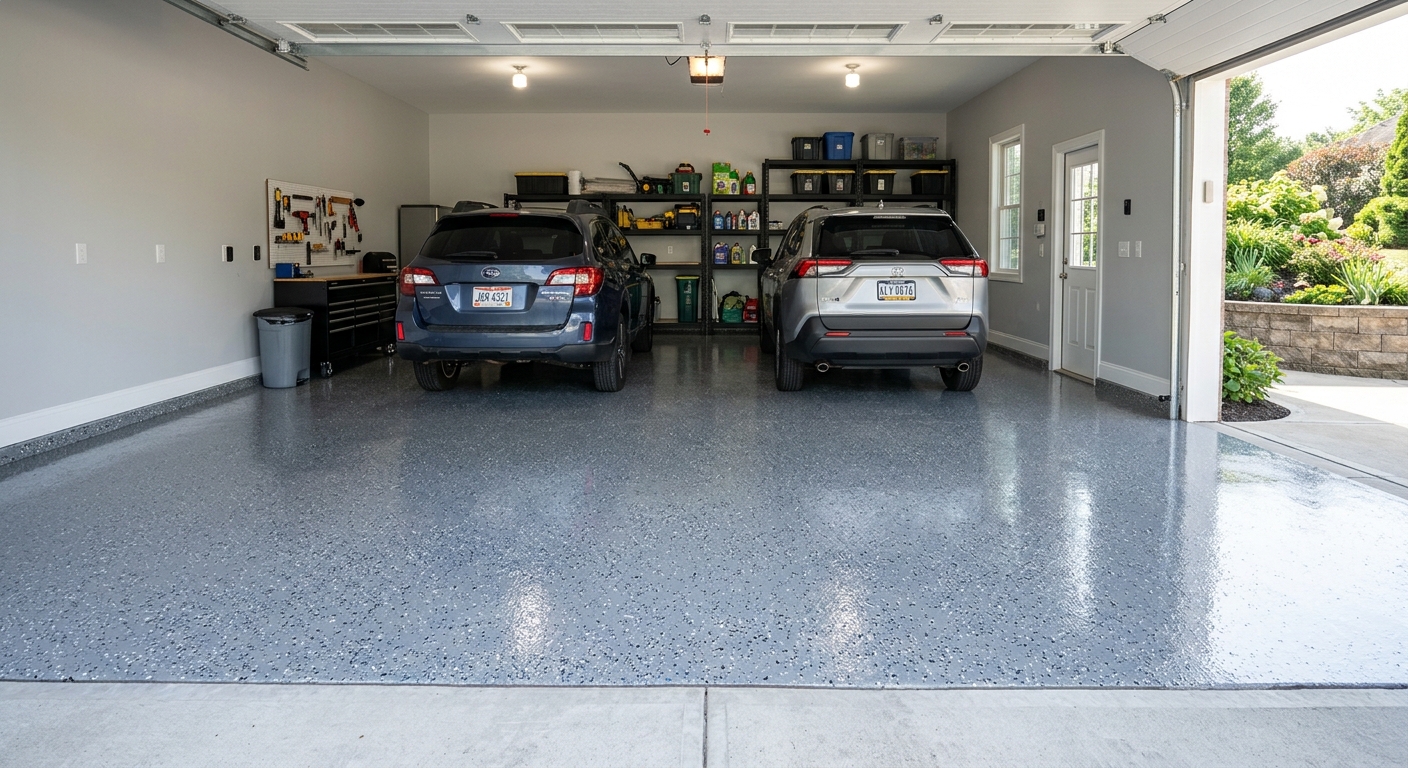
The epoxy flooring cost in Tampa depends on the floor’s size, concrete condition, coating system, and preparation needs. As a starting point, ’s 2026 Tampa data reports an average professional installation cost of $2,179, with many projects rng from $1,481 to $2,877. Its estimate for a two-car garage spans roughly $1,520 to $6,060, showing how much project details can change the final price. These figures are broad budgeting references—not a quote for your specific floor.
At Concrete Polishing & Epoxy Florida, we install epoxy systems for homes, businesses, and industrial spaces around Tampa. A garage, restaurant, warehouse, and retail floor have different demands, so the right price starts with understanding how the surface will be used and what condition the concrete is in.
Key Takeaways
- Published Tampa cost estimates can help with early budgeting, but they are not a substitute for a project-specific assessment.
- Square footage matters, but concrete repairs and surface preparation can have a major effect on the quote.
- Decorative flakes, metallic finishes, added texture, and heavier-duty systems can change the scope and price.
- In Tampa’s warm, humid climate, moisture and curing conditions deserve attention before installation.
- Compare quotes by the work included, not by the headline price alone.
What Is a Typical Epoxy Flooring Cost in Tampa?
Its current Tampa estimate puts a standard installation at an average of $2,179, with a reported range of $1,481 to $2,877. For a two-car garage of about 500 square feet, its published range is $1,520 to $6,060. That wide spread reflects differences in floor size, resin type, preparation, and labor.
Those figures can help set an initial budget, but they do not tell you what a particular contractor will charge. A small floor with damaged concrete may need more repair work than a larger, clean slab. A coating designed for a warehouse or service bay may also require different materials and preparation than a residential garage.
For context, an EPA-affiliated technical sheet lists a broad installed range of about $3 to $12 per square foot for epoxy floor coatings. It also notes that slab condition, labor, traction needs, durability, and design can affect the cost. This is general guidance, not a Tampa-specific rate card.
Get a Free Epoxy Flooring Estimate
Talk with Our Team! Call Now!
What Affects the Price of an Epoxy Floor?
Floor size and layout
Larger floors require more coating and more labor. But the total is not always a simple multiplication of square footage: edges, corners, columns, floor drains, and separate rooms can add work.
A contractor should measure the area and identify obstacles before preparing a detailed quote. For commercial floors, the layout may also affect how the crew stages work and manages access.
Concrete condition and preparation
Epoxy needs a properly prepared surface to bond. Cracks, chips, old coatings, oil stains, uneven patches, or moisture concerns can require extra preparation or repairs before a coating is applied. The technical sheet identifies slab condition and preparation needs—including cleaning, repairs, and moisture testing—as cost factors.
Ask whether the estimate includes grinding or other surface preparation, crack filling, and repairs. If the quote does not describe the prep work, it may be difficult to compare against another proposal.
Coating system and appearance
“Epoxy flooring” can describe different systems and finishes. A solid color, decorative flake floor, metallic finish, or textured surface may have different material and installation requirements.
The intended use matters, too. A residential garage may need protection against everyday spills and vehicle traffic. A warehouse or automotive space could require a system selected for heavier use, traction, chemical exposure, or safety markings. Concrete Polishing & Epoxy Florida offers options that include solid colors, decorative flakes, metallic finishes, and industrial systems.
Moisture, humidity, and scheduling
Moisture in the slab can affect how a coating performs. The EPA-affiliated technical sheet warns that retained moisture can contribute to delamination and says that temperature and humidity conditions can affect epoxy application and curing.
In Tampa, it makes sense to ask how the installer evaluates the concrete and plans the work around site conditions. For a business, discuss how long the floor needs to cure and how the work schedule affects access to the space.
Traffic and performance requirements
Foot traffic, vehicle tires, forklifts, machinery, spills, and cleaning routines all influence the system that may be appropriate. A floor that looks similar in a photo may have been built for a very different use.
For warehouses and industrial spaces, ask whether the proposal accounts for equipment traffic, slip resistance, and chemical exposure. For a patio or pool deck, ask how the finish addresses traction and outdoor conditions. These requirements can affect materials, texture, preparation, and overall project scope.
How to Compare Epoxy Flooring Quotes
A useful quote should make clear what the contractor plans to install and how the existing concrete will be prepared. When reviewing estimates, check whether each one specifies:
- The measured floor area and the coating system
- Surface preparation, including grinding or removal of old coatings
- Crack repairs, patching, or other concrete work
- Decorative finish, texture, or safety features
- Curing time and when the area can return to use
- Any conditions that could change the final price
If one proposal is much lower, look for differences in preparation or system details before deciding. A low price may reflect a smaller scope, while a higher price may include repairs or performance features that another quote leaves out.
Is Epoxy Flooring Worth the Cost?
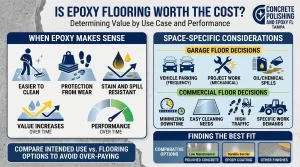
Epoxy may make sense when you want a concrete floor that is easier to clean and better protected from daily wear, stains, or spills. The value depends on the space and how long the floor performs under its actual conditions.
For a garage, consider how often you park vehicles, work on projects, or deal with oil and other spills. For a commercial floor, consider downtime, cleaning needs, traffic, and the demands of the work taking place there. In some cases, polished concrete or another concrete finish may be a better fit. Comparing the intended use with the available flooring options can help avoid paying for a system that the space does not need.
Get a Free Epoxy Flooring Estimate
Talk with Our Team! Call Now!
Request an Epoxy Flooring Estimate in Tampa
The most useful way to understand your epoxy flooring cost is to have the floor measured and assessed. Concrete Polishing & Epoxy Florida provides epoxy flooring for residential, commercial, and industrial properties, with options for garages, patios, warehouses, and other spaces. Contact us to discuss your project and request a no-cost estimate.
Frequently Asked Questions
Q: How much does it cost to epoxy a two-car garage in Tampa?
A: Some company in 2026 Tampa estimate lists a range of about $1,520 to $6,060 for a two-car garage of roughly 500 square feet. Your project may fall outside that range depending on the slab, preparation, and coating system.
Q: Does epoxy flooring cost more if the concrete is damaged?
A: It can. Cracks, chips, stains, moisture concerns, or old coatings may require additional preparation or repair before installation. Ask the contractor to identify those conditions and show whether the work is included in the estimate.
Q: Are decorative epoxy floors more expensive?
A: The finish can affect the materials and labor required. Decorative flakes, metallic effects, and custom designs may involve additional steps compared with a simple solid-color finish. Ask for the system and finish to be spelled out in the quote.
Q: How do I get an accurate epoxy flooring estimate?
A: Share the floor’s approximate size, location, intended use, and any known issues such as cracks, stains, or existing coatings. An on-site assessment can help the contractor evaluate the concrete and prepare a project-specific estimate.
Recent Posts